
Contact JXBY
Technical note

N5173B: Method index and measurement uncertainty

The N5173B specifies Frequency range of 9 kHz ~ 13/20/31.8/40 GHz (options 513/520/532/540) and Amplitude range of +30 ~ -135 dBm (Options 1E1 + 1EA). Using the ITU-R SM.1753 (spectrum occupancy measurement) method index, this note sets out specification limits, setup considerations and operating conditions; every value is quoted verbatim from the site product master data.

Record

The entry recorded in this section on 2026-09-06 has been reviewed against the site product master data and expanded with the specification highlights and method index for model N5173B; no unverified external claims are introduced.

High-tech concept application scene (AI-generated illustration)
Instrument — N5173B
Instrument — N5173B
Frequency range9 kHz ~ 13/20/31.8/40 GHz (options 513/520/532/540)
Amplitude range+30 ~ -135 dBm (Options 1E1 + 1EA)
Frequency resolution0.001 Hz

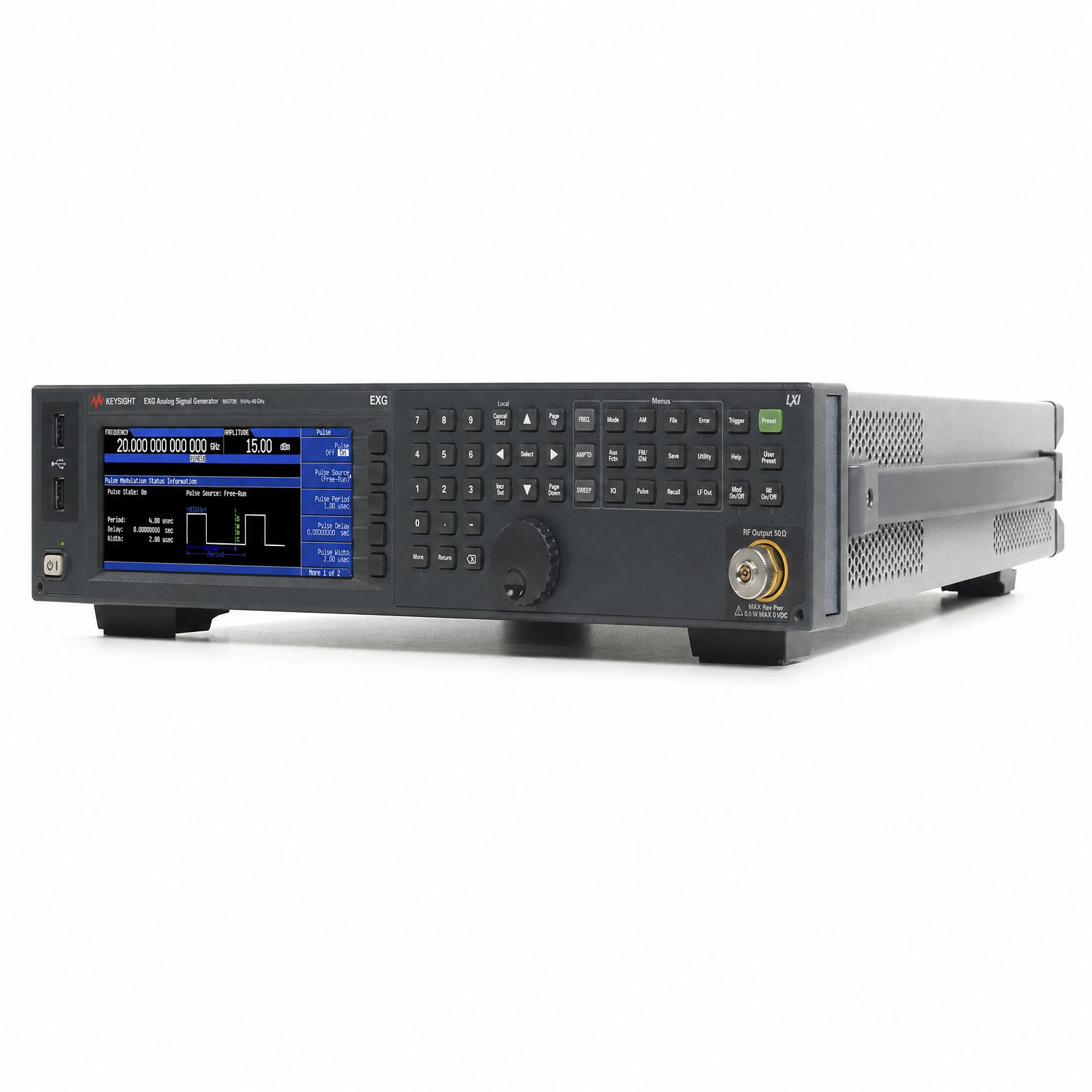
The principal specifications of the N5173B follow the site product master data: Frequency range 9 kHz ~ 13/20/31.8/40 GHz (options 513/520/532/540) and Amplitude range +30 ~ -135 dBm (Options 1E1 + 1EA). Together they define the measurable range and resolving capability, and are the first conditions to check when assembling a test chain.

Following the ITU-R SM.1753 (spectrum occupancy measurement) method index, confirm that Frequency resolution 0.001 Hz matches the signal level under test, and record connections, ambient conditions and reference settings so the result remains reproducible.

High-tech concept application scene (AI-generated illustration)

In practice, start with a wide-span survey and then narrow resolution and bandwidth to re-check detail. Retain the original settings and observation log at each step rather than comparing values obtained under different conditions.

The product photographs retain the markings printed on the instrument housing; the scene background is illustrative and does not represent an actual test environment. The full specification table below is quoted verbatim from the master data without conversion, extrapolation or performance claims.

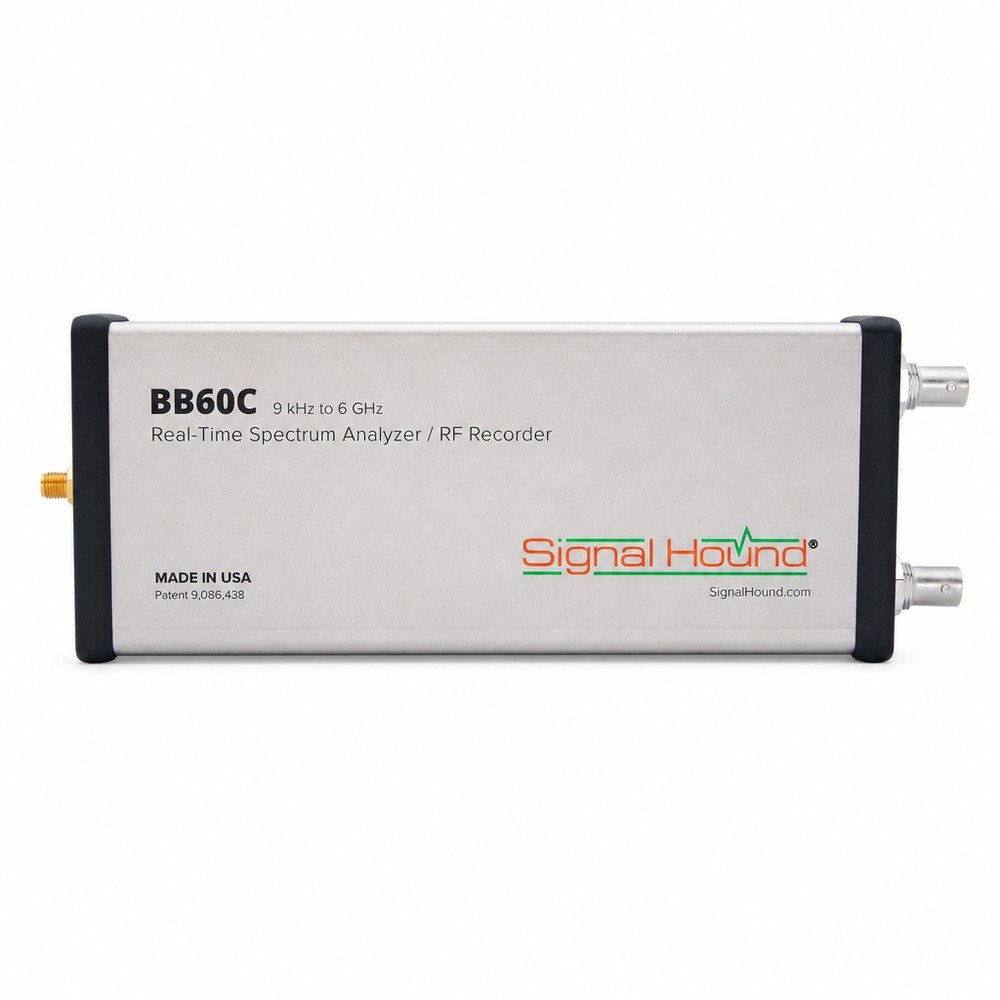
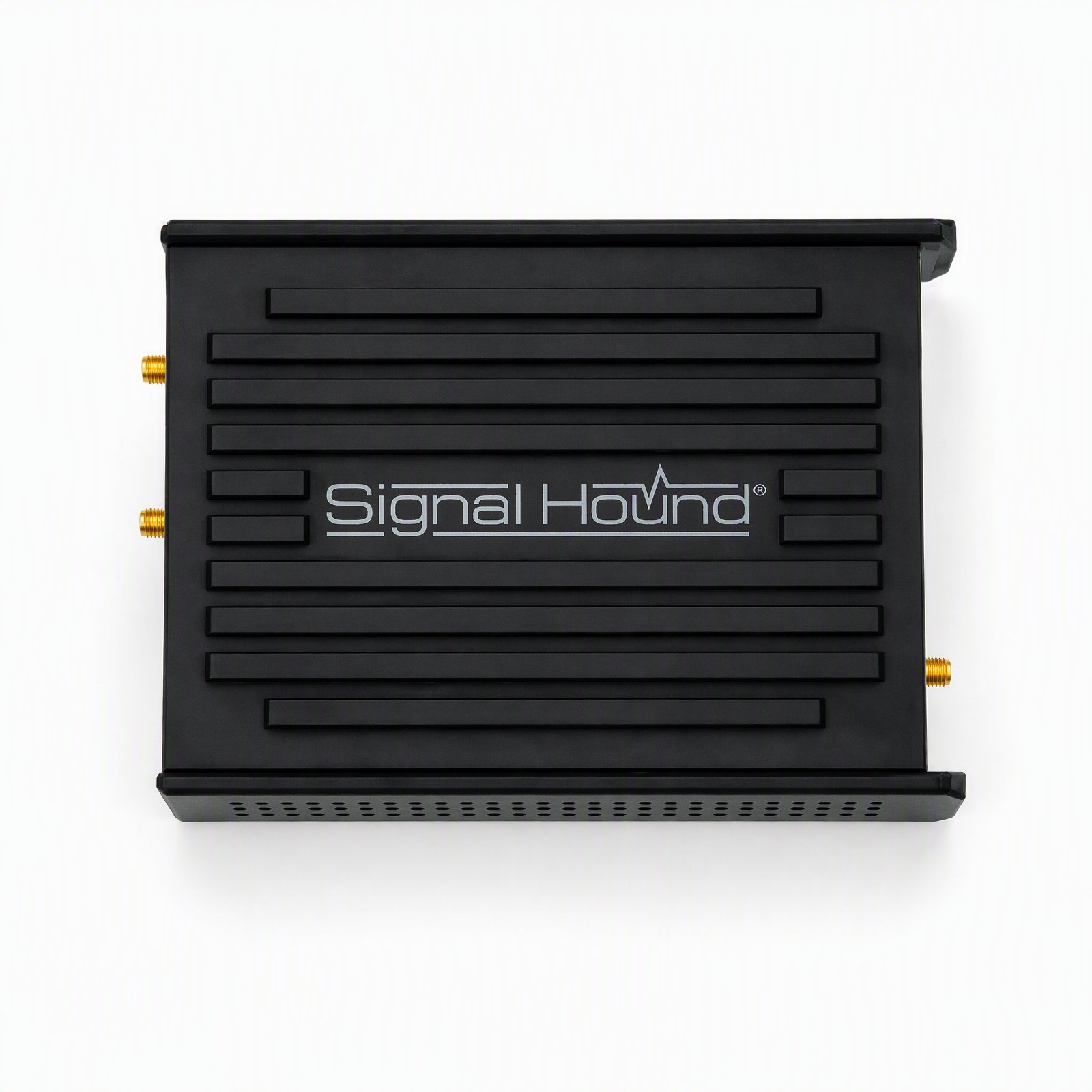
The related instruments section lists real, currently listed models in the same category for comparison on a common specification basis. The model page carries the complete parameter set and documentation entry points.
Full specifications (product master data)
Frequency range9 kHz ~ 13/20/31.8/40 GHz (options 513/520/532/540)
Frequency resolution0.001 Hz
Frequency switching≤1.15 ms standard (SCPI, CW); ≤750 µs typical with Option UNZ
Maximum output power+23 dBm (Option 1EA)
Amplitude range+30 ~ -135 dBm (Options 1E1 + 1EA)
SSB phase noise-118 dBc/Hz at 1 GHz (20 kHz offset); -122 dBc/Hz typical
Harmonics< -55 dBc (>2-20 GHz, CW, +10 dBm)
Analog modulationAM/FM/PhiM (Option UNT), max FM deviation N x 10 MHz
Pulse modulationOptions UNW/UW2: >80 dB on/off ratio, <10 ns rise/fall
SweepStep/list sweeps, dwell 100 µs-100 s
Remote interfacesGPIB, LAN 1000BaseT (LXI Class C), USB 2.0; SCPI
Ordering options513/520/532/540 frequency; 1E1/1EA amplitude; UNT modulation; UNW/UW2/UNZ; 320 pulse train; 303 multi-function; 006 security
Related Instruments & Equipment
N5173B
N5173BView details →
BB60C
BB60CView details →
VSG200
VSG200View details →
References
  • Specifications: site product master data (model N5173B)
  • Method index: ITU-R SM.1753 (spectrum occupancy measurement)
N5173B Model page →