
Contact JXBY
Technical note

E8257D: Calibration and routine verification

The E8257D specifies Frequency range of 250 kHz ~ 67 GHz (options 513/520/521/532/540/550/567) and Frequency resolution of CW 0.001 Hz; sweep modes 0.01 Hz. Using the ITU-R SM.1753 (spectrum occupancy measurement) method index, this note sets out specification limits, setup considerations and operating conditions; every value is quoted verbatim from the site product master data.

Record

The entry recorded in this section on 2026-04-04 has been reviewed against the site product master data and expanded with the specification highlights and method index for model E8257D; no unverified external claims are introduced.

High-tech concept application scene (AI-generated illustration)
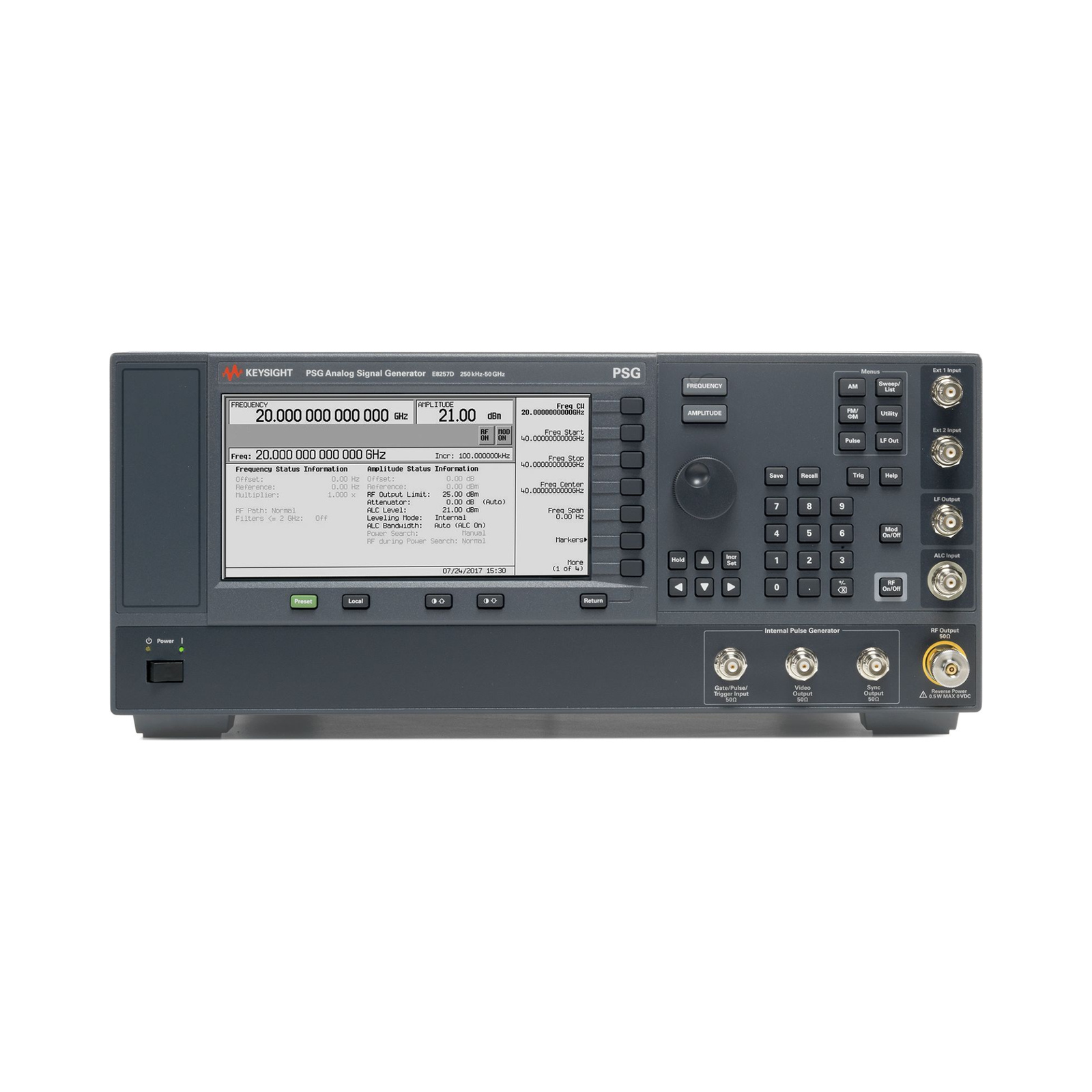
Instrument — E8257D
Instrument — E8257D
Frequency range250 kHz ~ 67 GHz (options 513/520/521/532/540/550/567)
Frequency resolutionCW 0.001 Hz; sweep modes 0.01 Hz
Maximum output power+5 ~ +28 dBm (option dependent)

The principal specifications of the E8257D follow the site product master data: Frequency range 250 kHz ~ 67 GHz (options 513/520/521/532/540/550/567) and Frequency resolution CW 0.001 Hz; sweep modes 0.01 Hz. Together they define the measurable range and resolving capability, and are the first conditions to check when assembling a test chain.

Following the ITU-R SM.1753 (spectrum occupancy measurement) method index, confirm that Maximum output power +5 ~ +28 dBm (option dependent) matches the signal level under test, and record connections, ambient conditions and reference settings so the result remains reproducible.

High-tech concept application scene (AI-generated illustration)

In practice, start with a wide-span survey and then narrow resolution and bandwidth to re-check detail. Retain the original settings and observation log at each step rather than comparing values obtained under different conditions.

The product photographs retain the markings printed on the instrument housing; the scene background is illustrative and does not represent an actual test environment. The full specification table below is quoted verbatim from the master data without conversion, extrapolation or performance claims.

The related instruments section lists real, currently listed models in the same category for comparison on a common specification basis. The model page carries the complete parameter set and documentation entry points.
Full specifications (product master data)
Frequency range250 kHz ~ 67 GHz (options 513/520/521/532/540/550/567)
Frequency resolutionCW 0.001 Hz; sweep modes 0.01 Hz
Maximum output power+5 ~ +28 dBm (option dependent)
Minimum settable power-20 dBm (standard); -135 dBm (Option 1E1, 513-540)
SSB phase noise-134 dBc/Hz typ. (20 kHz offset, 250-500 MHz); UNX/UNY -115/-125 dBc/Hz at 10 GHz, 100 kHz offset
Level accuracy±0.6 dB typ. (0 ~ -10 dBm), 0.02 dB/°C temperature stability
Harmonics-55 dBc (>2-20 GHz); -50 dBc (>20-67 GHz), typical
Analog modulationAM/FM/PhiM (Option UNT), FM deviation 2-128 MHz
Pulse modulationOptions UNU/UNW: 80 dB on/off ratio, 6 ns rise/fall above 400 MHz
Ramp sweepOption 007: up to 400 MHz/ms, sweep time 10 ms-200 s
Remote interfacesGPIB (IEEE-488.2), RS-232, 10BaseT LAN; SCPI 1997.0
Ordering options513/520/521/532/540/550/567 frequency; UNX/UNY phase noise; UNT modulation; UNU/UNW pulse; 1E1 attenuator; 008 flash card
Related Instruments & Equipment
E8257D
E8257DView details →
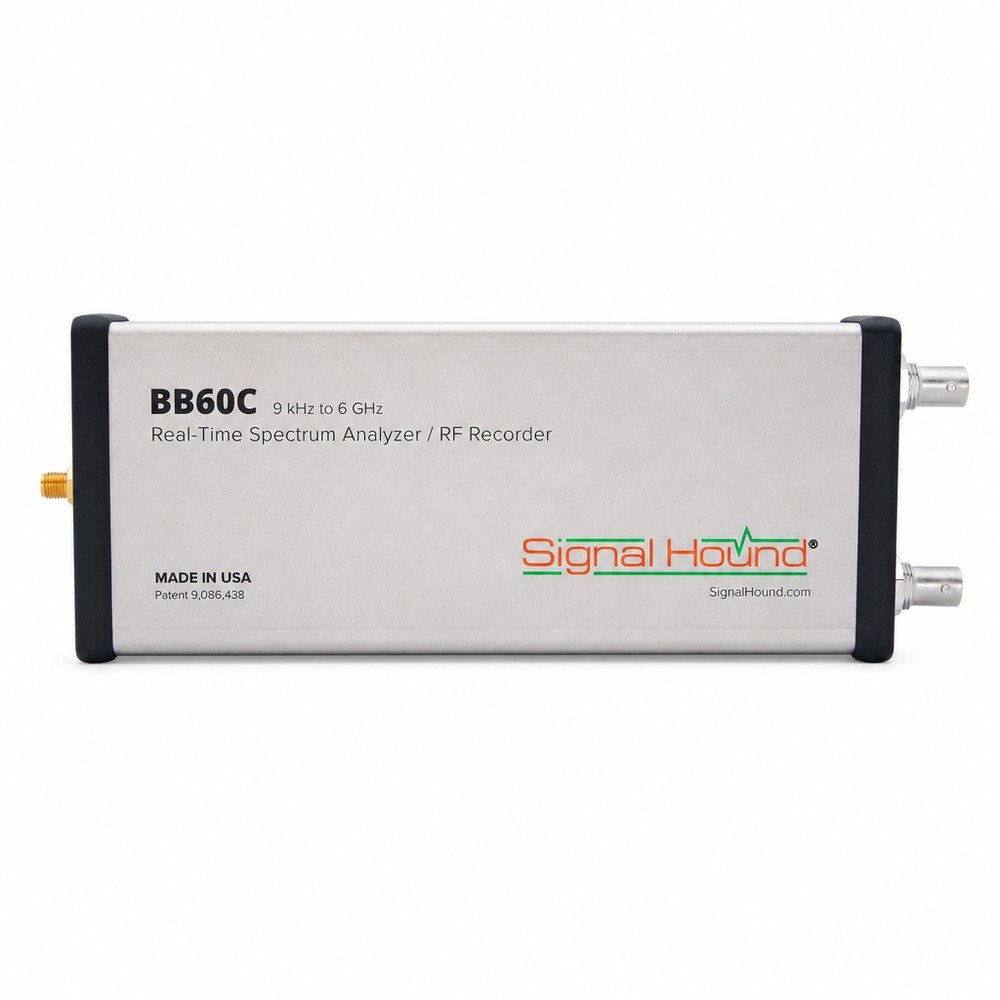
BB60C
BB60CView details →
VSG200
VSG200View details →
References
  • Specifications: site product master data (model E8257D)
  • Method index: ITU-R SM.1753 (spectrum occupancy measurement)
E8257D Model page →