The standards it follows

The enclosure shielding effectiveness measurement system complies with the testing requirements of GB/T12190-2021 and GJB5792A-2021 for enclosure shielding effectiveness, and can perform test measurement according to the standards.
The two standards serve different application contexts: GB/T12190-2021 is a national standard and GJB5792A-2021 a national military standard. Confirm at selection which standard the project is accepted against — the measurement procedure, frequency points and criteria all differ accordingly.
Typical system configuration
The material absorbing/shielding performance test system covers 100MHz–500GHz, measuring material reflectivity and shielding effectiveness.
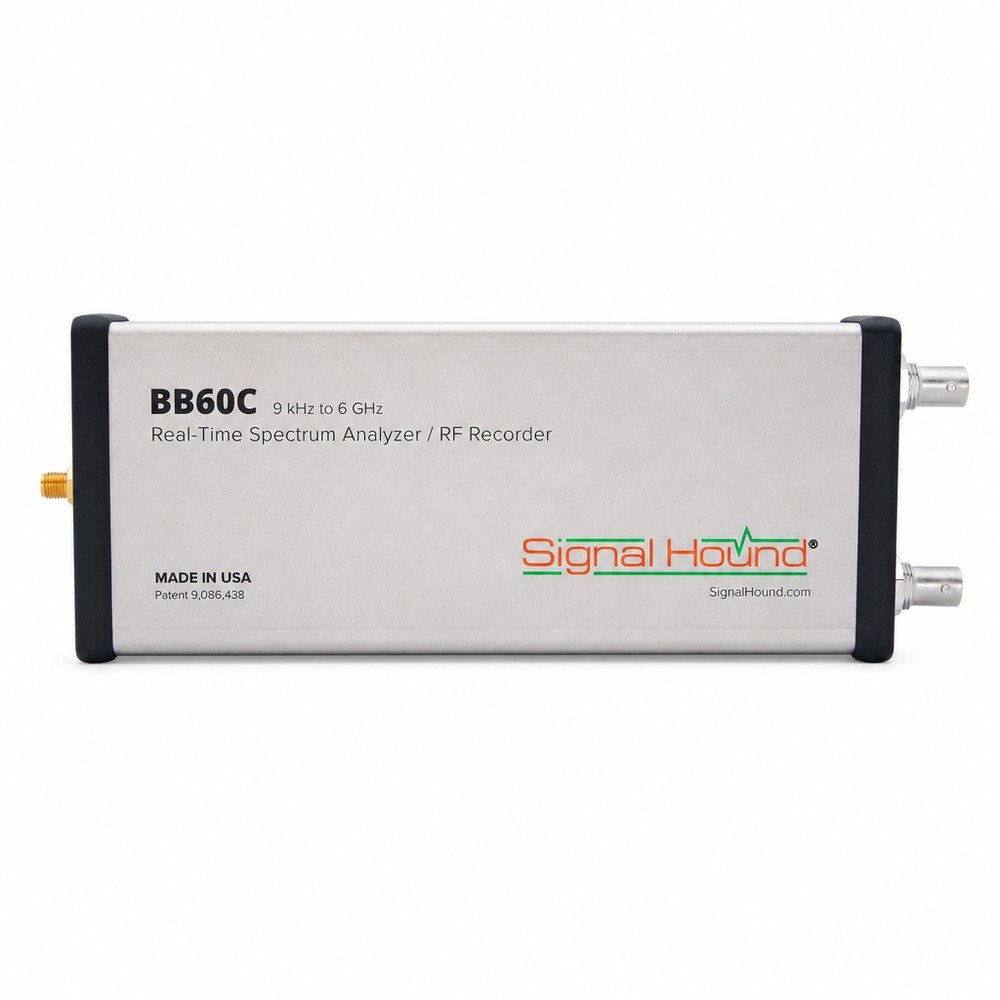
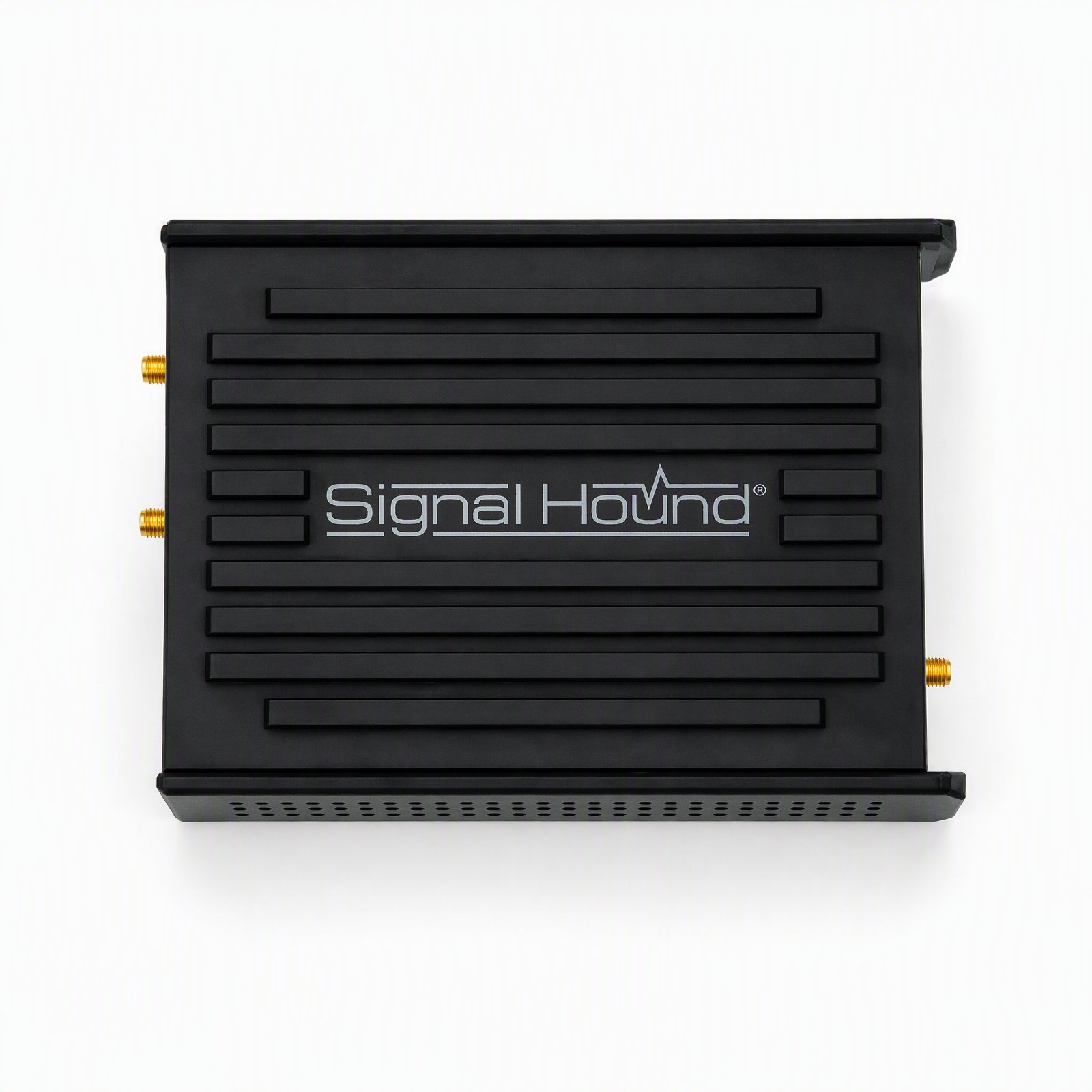
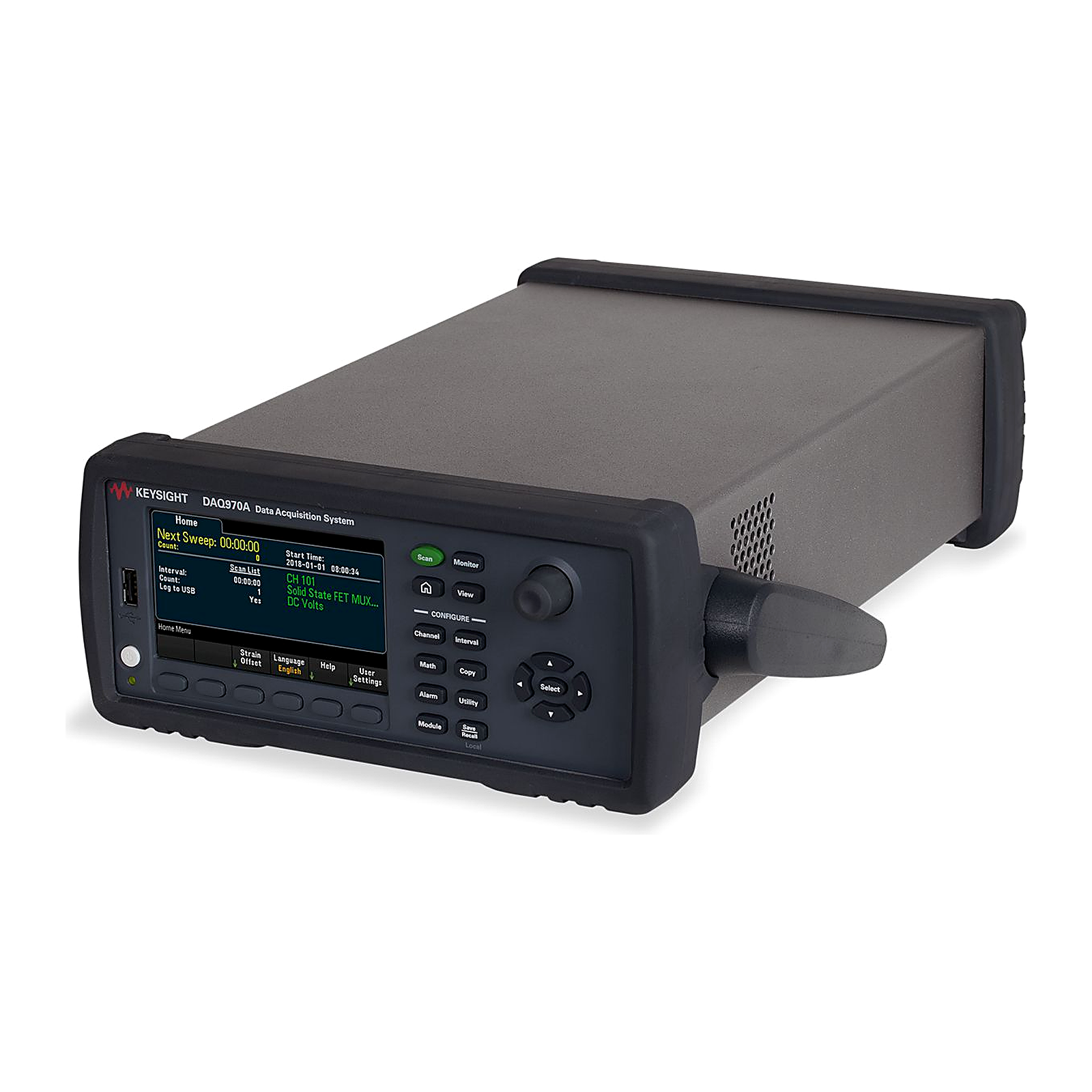
For enclosures (rather than material samples), the system consists of a frequency signal source, a spectrum analyzer or receiver, standard antennas, coaxial cables and the associated probes; receiving power is measured in free space and inside the enclosure respectively, and shielding effectiveness is computed from the difference.
The published enclosure shielding effectiveness measurement system has automatic test capability covering test planning, test process control, automatic report generation, and test data management and analysis.
The practical value of automated testing

Shielding effectiveness tests usually involve many frequency points (for example point-by-point measurements across multiple bands as required by the standard); recording each point manually is inefficient and error-prone.
The system automatically performs test planning and process control, automatically generates test reports, and feeds test data into unified management and analysis. This matters especially for third-party testing institutions that issue test reports — report traceability directly determines whether results are accepted.
Relation to other electromagnetic environment tests

Shielding effectiveness is part of electromagnetic environment effects testing. The same system family also includes:
- Satellite transmitter test and verification system: verifies performance specifications of satellite communication transmitters before installation
- High-power multipaction detection system: monitors in real time the amplitude/phase, noise, spectrum and S-parameter changes caused by multipaction
- Target echo and interference environment simulator
If the project is a full environmental effects verification rather than a single shielding effectiveness item, evaluate the whole chain together.
FAQ
- Which national standard applies to shielding effectiveness testing?
- The system complies with GB/T12190-2021 and GJB5792A-2021 for enclosure shielding effectiveness testing and can measure per the standards. The two correspond to a national standard and a national military standard respectively, with different procedures and criteria — choose per the project acceptance requirements.
- What equipment does shielding effectiveness testing require?
- The core is a frequency signal source, a spectrum analyzer or receiver, standard antennas, and coaxial cables with probes. The measurement measures receiving power in free space and inside the enclosure respectively and computes shielding effectiveness from the power difference. The published solution covers 100MHz–500GHz.
- Can shielding effectiveness tests automatically produce reports?
- Yes. The system has automatic test capability: test planning, test process control, automatic report generation, and test data management and analysis — well suited to third-party institutions that need to issue test reports.
- Are material and enclosure shielding effectiveness tests the same thing?
- The methods share a source, but the objects differ. The material absorbing/shielding system measures reflectivity and shielding effectiveness of material samples, which must be machined per specification; the enclosure system targets formed shielded cavities, measuring receiving power in free space and inside the cavity and taking the difference.
This guide is based on the official product pages and solution descriptions /solutions/tech/sys-col-246/. Parameters are quoted verbatim, without secondary processing.
We provide pre-sales selection consulting, on-site solution planning, technical support, operator training and after-sales calibration services. Phone / WeChat / WhatsApp: +86-15626514602 Email: sales@jxby.tech Service hours 08:00–22:00.
Address: Room 412, Building 1, Phase 1, Dongjiu Innovation Technology Park, No. 76 Bulan Road, Xialilang Community, Nanwan Street, Longgang District, Shenzhen, Guangdong, China